Installations and maintenance for shops, offices and small commercial units. The electrical side of a commercial job is rarely the hard part. Getting it done without shutting the business for a week is.
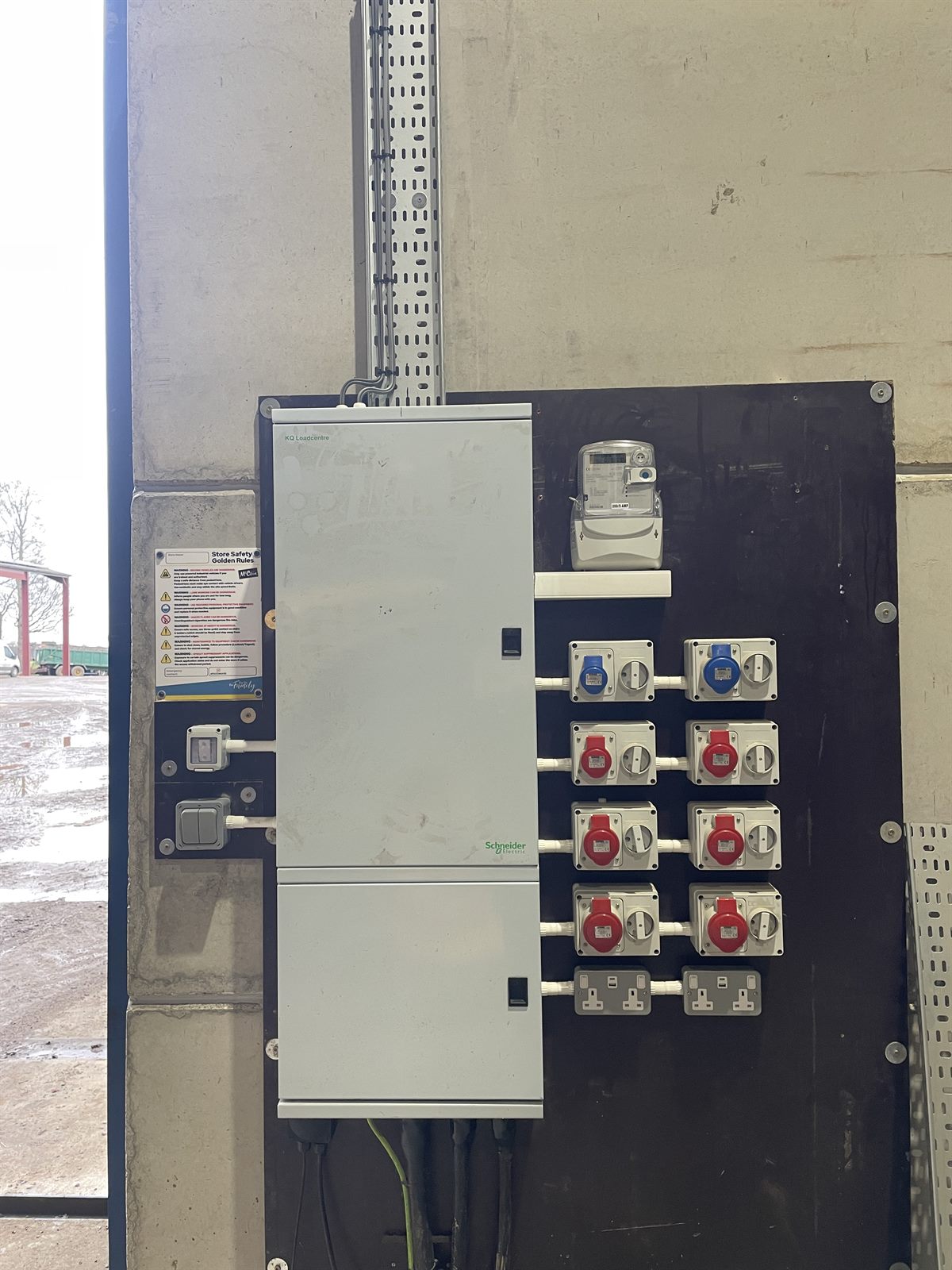
Very few are a blank unit and a clean start. Most are a building that has been three different businesses in twenty years, where each fit-out added circuits to whatever was nearest and nobody ever updated the board chart. Then a new tenant arrives wanting a three phase supply for kitchen equipment and there is no record of what feeds what.
The first job on those is working out what is actually there. Once the board is charted and labelled properly, the rest of the work stops being guesswork, and whoever comes after you can pick it up without starting again.
A shop that cannot trade is losing money faster than it is spending it on the electrician. So the sequence matters as much as the work: what can be done live, what needs an isolation, what can go in before opening or after closing, and what genuinely needs the place shut.
That gets planned with you rather than announced on the morning. If a part of the job means going dark for an hour, you will know which hour, well in advance.
Priced after a look at what is actually there. A figure over the phone on work like this would be a guess, and a guess is how people end up with a second, bigger number halfway through.
Charge points for staff or customer parking are a different job to a house, and a different price. More than one unit on a site brings in load management, where the supply is shared between the chargers so the building does not exceed what it can take.
It is worth a conversation early rather than late, because the answer often depends on what your incoming supply will carry.
This work goes out across the whole patch, from Swaledale and Wensleydale down to York and Harrogate.
Where the job calls for it, yes. Which parts need doing out of hours gets worked out at the quoting stage so it is in the price rather than added afterwards.
Yes. Reactive repairs, additional circuits, lighting replacement and fault finding on commercial premises are all part of it.
Yes. Three phase distribution is a regular part of the agricultural side of the business, and the same applies to commercial units. What the incoming supply will carry has to be established first, because that decides whether it is a straightforward job or a conversation with the network operator.
Tell me roughly where you are and what needs doing. I come back to you within 24 hours, Monday to Friday.