Tripping breakers, dead sockets, lights that flicker when the kettle goes on, a fault that only shows up when it rains. Finding it is the job. Anybody can replace a socket, the skill is knowing which socket.
A dead circuit is straightforward. It is either broken or it is not, and it stays broken while you look at it. The awkward faults are the ones that come and go: an RCD that trips at four in the morning, a light that only flickers in cold weather, a socket that works until the freezer kicks in.
Those are usually water, a loose connection warming up and cooling down, or a slow breakdown in cable insulation somewhere you cannot see. Finding them means splitting the installation down and testing section by section until the fault has nowhere left to hide. It takes as long as it takes, and you will be kept posted rather than left wondering.
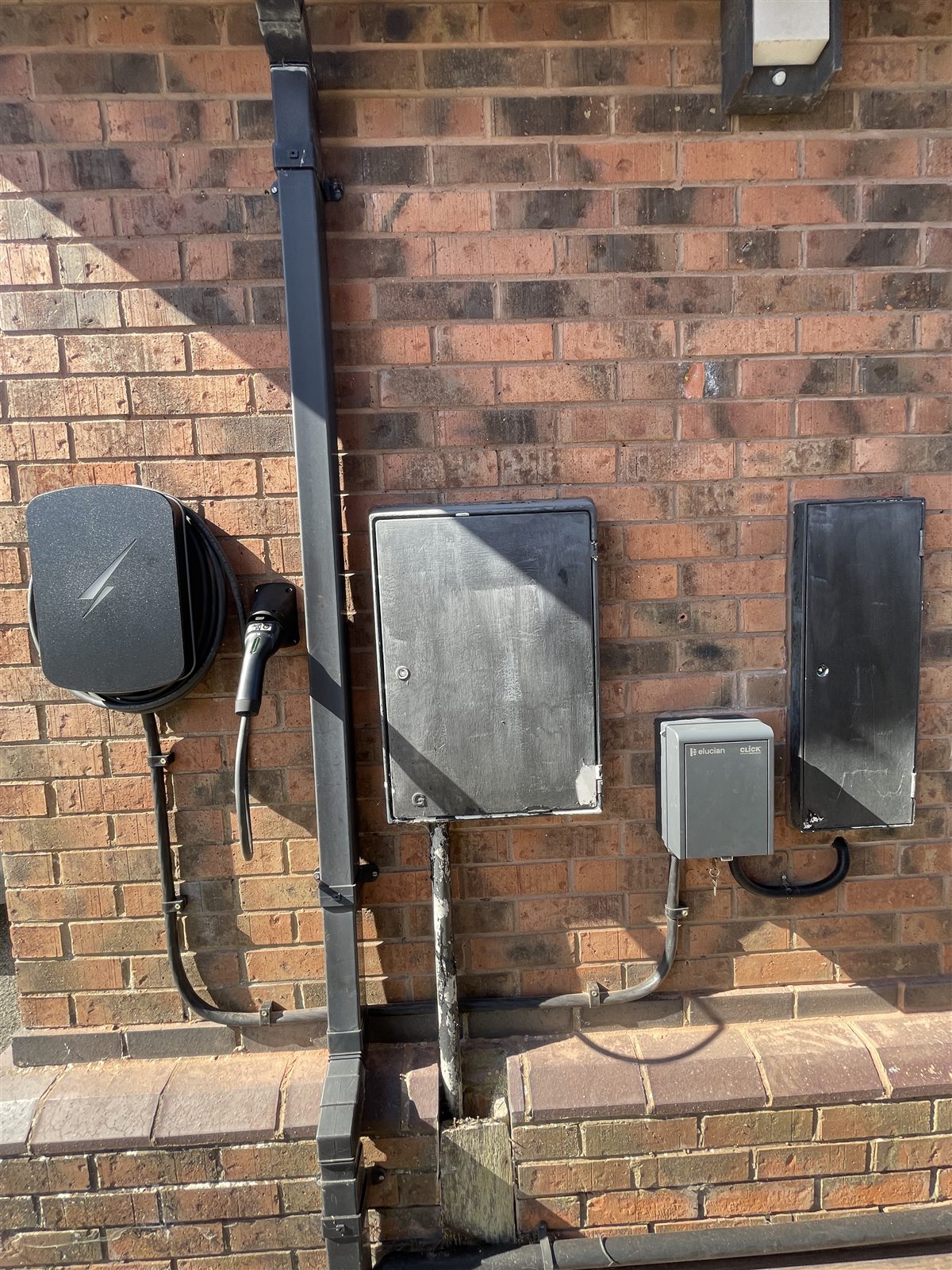
Most faults turn out to be in one of a handful of places, and there is no sense pulling a house apart before those have been ruled out. Outside sockets and garden lighting where water gets in. Loft and under-floor joints where rodents have been. Immersion heaters and showers, which pull hard and fail slowly. Anything an unqualified person has added since the house was built.
The point of working through it in order is that you are not paying for somebody to guess expensively.
Priced after a look at what is actually there. A figure over the phone on work like this would be a guess, and a guess is how people end up with a second, bigger number halfway through.
A smell of burning near a socket, a plug or a consumer unit, or an accessory that has gone brown, is not something to leave until the weekend. Turn the circuit off at the board if you can identify it, and ring.
That is the one thing on this website worth acting on the same day.
This work goes out across the whole patch, from Swaledale and Wensleydale down to York and Harrogate.
Yes, and that is the usual case. An intermittent fault is found by testing rather than by waiting for it to happen. The installation gets split into sections and each is tested against the readings it should give, which shows up a circuit that is deteriorating even when it happens to be behaving on the day.
Not honestly, because the fault could be a loose connection in a socket or a buried cable that has failed. What you get is a look, then a figure before any repair work starts, same as every other job.
Usually not, and be wary of anyone who says otherwise before testing. A board that keeps tripping is often doing exactly what it is designed to do, which is telling you there is a fault on a circuit. Replace the board without finding the fault and you have spent money to keep the same problem.
Tell me roughly where you are and what needs doing. I come back to you within 24 hours, Monday to Friday.